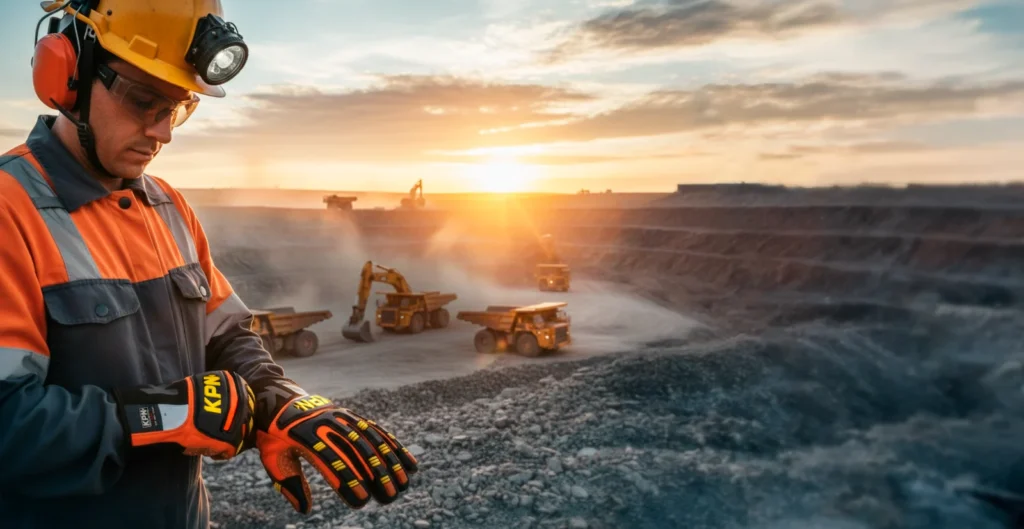
On a drilling rig, a dropped tool or a swinging pipe can crush a hand in a second. For years, though, “impact resistant” on a glove label meant whatever the manufacturer wanted it to mean. ANSI/ISEA 138 changed that. It gives safety managers a standard, lab-tested way to compare back-of-hand protection.
In this article, you’ll see how the standard works, what each impact level means and how to choose the right level for your crew.
Why back-of-hand protection matters in oil and gas
According to OSHA, three of every five on-site fatalities in oil and gas extraction result from struck-by, caught-in or caught-between hazards. The sources include moving equipment, falling equipment and high-pressure lines.
The same hazards cause many of the hand injuries on the rig floor. Workers handle pipe, tongs, slips and chains every shift. Pinch points are everywhere, and the back of the hand is often the first part exposed when something shifts.
A standard work glove protects the palm from abrasion. However, it does little to absorb a direct blow to the knuckles or fingers. That’s the gap impact resistant gloves are designed to close.
What ANSI/ISEA 138 measures
ANSI/ISEA 138 was published in 2019 by the International Safety Equipment Association (ISEA) and approved as an American National Standard. Before it existed, there was no common method to test or label impact claims on gloves.
To earn a rating, a glove goes to an independent, accredited lab. Technicians drop a weighted striker onto the knuckles and fingers and measure how much force passes through the glove, in kilonewtons (kN). The lower the transmitted force, the better the protection.
| Impact level | Mean transmitted force | Maximum on any single impact |
|---|---|---|
| Level 1 | 9 kN or less | below 11.3 kN |
| Level 2 | 6.5 kN or less | 8.1 kN or less |
| Level 3 | 4 kN or less | 5 kN or less |
One detail matters for buyers. The glove’s overall level is set by its weakest test area. For example, if the knuckles reach Level 3 but the fingers only reach Level 2, the glove is rated Level 2. As a result, a Level 3 rating means the whole back of the hand performed at the top of the scale.
Gloves rated under ANSI/ISEA 138 must also carry a pictogram that shows the impact level. Look for it on the glove or on its packaging.
How ANSI/ISEA 138 fits with ANSI/ISEA 105 and OSHA
ANSI/ISEA 138 covers impact only. Cut, abrasion and puncture are rated under a separate standard, ANSI/ISEA 105. Its cut scale runs from A1 to A9, and an A9 glove resisted at least 6,000 grams of cutting force in the ASTM F2992 test.
Neither standard is a law. Instead, they support a legal requirement. OSHA 29 CFR 1910.138 requires employers to select hand protection based on how the glove performs against the hazards of each task. In other words, ANSI ratings give EHS managers documented performance data to support that selection and the hazard assessment behind it.
Which impact level does your crew need?
Level 1 suits tasks where impacts are possible but unlikely. Level 2 fits general maintenance and material handling. For drilling, pipe handling, hydraulic fracturing and heavy equipment maintenance, Level 3 is the safer choice, because the energy involved is high and the exposure is constant. For a full buying checklist, see our guide on how to choose cut and impact resistant gloves for drilling operations.
Also, impact protection only works if the glove stays on. When choosing, check these points:
- the ANSI/ISEA 138 level on the label, not just the word “impact”;
- the ANSI/ISEA 105 cut level, since sharp edges and wire rope are common on site;
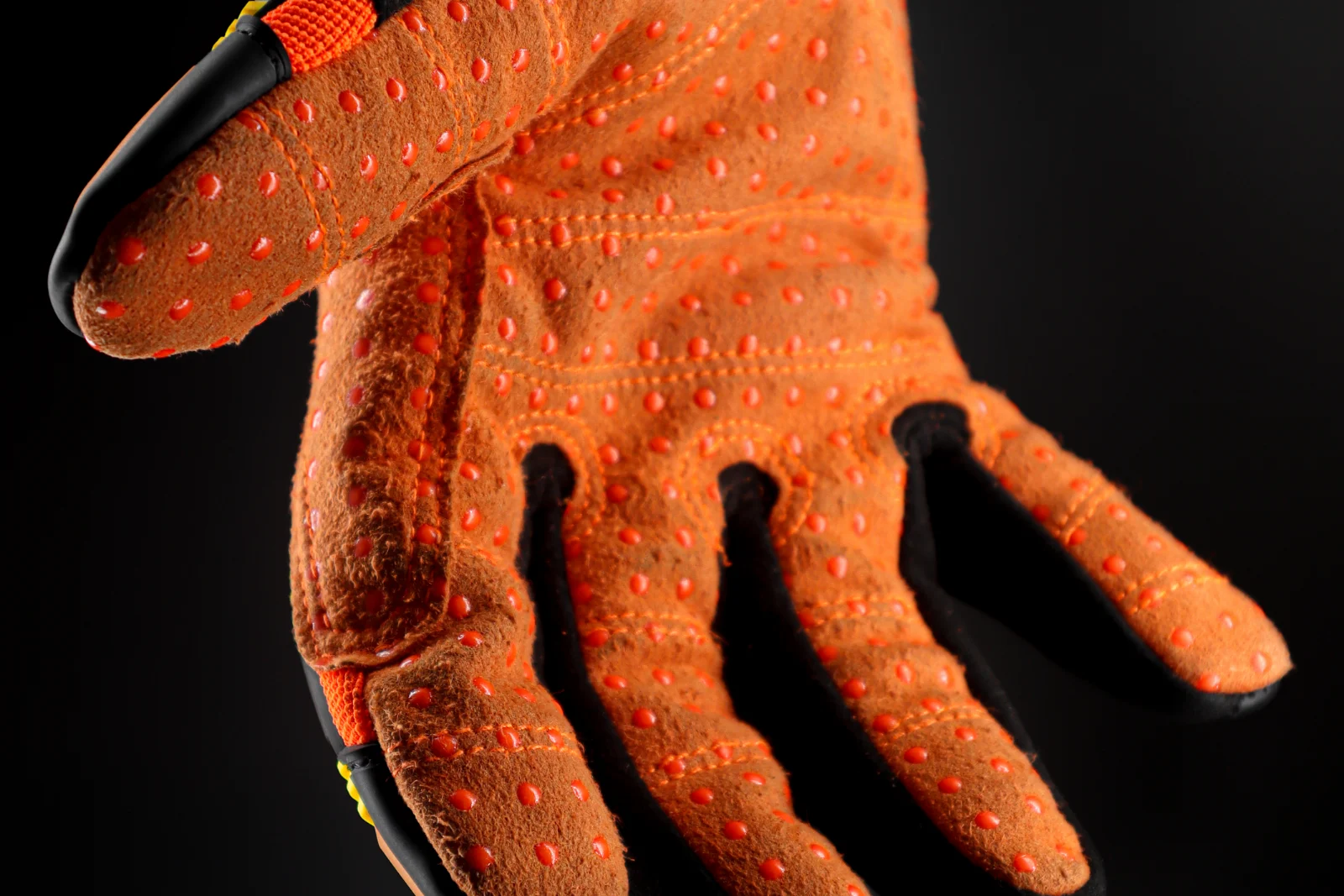
- grip in wet and oily conditions;
- fit and dexterity, so workers don’t remove the glove to handle small parts.
Looking for a glove that meets the top level of both standards? See the KPN CR5 on Amazon.
Where KPN FORCE fits
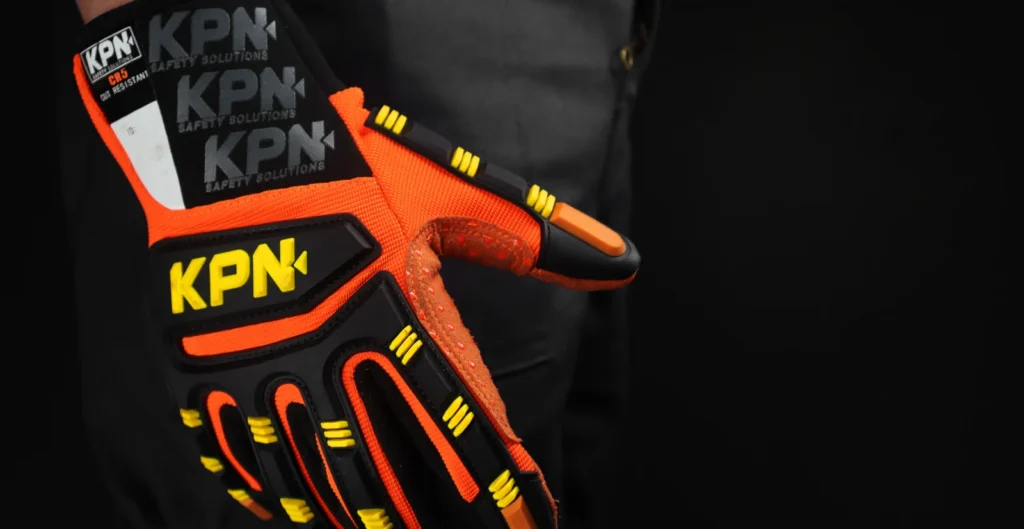
The KPN CR5 from the KPN FORCE line is rated ANSI/ISEA 138 Impact Level 3 and ANSI/ISEA 105 Cut Level A9, the highest level on both scales. Its back of the hand and knuckles are covered with thermoplastic rubber (TPR). The glove also has a water-repellent treatment and a high-contrast design that keeps hands visible around heavy equipment.
Choose impact gloves by the numbers
In short, ANSI/ISEA 138 replaced vague marketing claims with a measurable scale. For oil and gas crews facing struck-by and pinch-point hazards every shift, Level 3 is the benchmark to look for, ideally combined with a high ANSI cut level.
Ready to equip your crew? Shop the KPN CR5 on Amazon or learn more about the KPN FORCE glove line.