When safety managers compare cut resistant gloves, the question often comes down to two ratings: A5 or A9. A5 gloves are common and usually cheaper. Cut level A9 is the top of the ANSI scale. So, is the upgrade worth it for your crew?
The answer depends on the hazards your workers face. Here’s how the two ratings compare and when maximum protection makes sense.
How ANSI cut levels are measured
Cut ratings in the U.S. come from ANSI/ISEA 105, published by the International Safety Equipment Association. The test, ASTM F2992, uses a machine called a tomodynamometer (TDM-100). A straight blade moves across the glove material under a known load, and the lab records how many grams of force it takes to cut through within 20 mm of blade travel.
The result places the glove on a scale from A1 to A9:
| ANSI level | Cutting force resisted | Typical hazard |
|---|---|---|
| A1 to A3 | 200 to 1,499 grams | Light: packaging, assembly |
| A4 to A5 | 1,500 to 2,999 grams | Medium: general handling of sharp parts |
| A6 to A8 | 3,000 to 5,999 grams | High: metal fabrication, sheet metal |
| A9 | 6,000 grams or more | Extreme: sharp edges under heavy load |
A5 vs cut level A9: what the numbers mean
An A5 glove resists 2,200 to 2,999 grams of cutting force. A glove rated cut level A9 resists at least 6,000 grams, which is more than twice as much. That difference matters most when sharp material moves with force behind it, such as a wire rope under tension or a sheet of steel that slips.
A5 is a solid choice for many tasks. However, it was not designed for the heaviest cut hazards. If an edge can slide across the hand with the weight of a load behind it, the extra margin of an A9 glove gives workers more protection when something goes wrong.
When your crew needs cut level A9
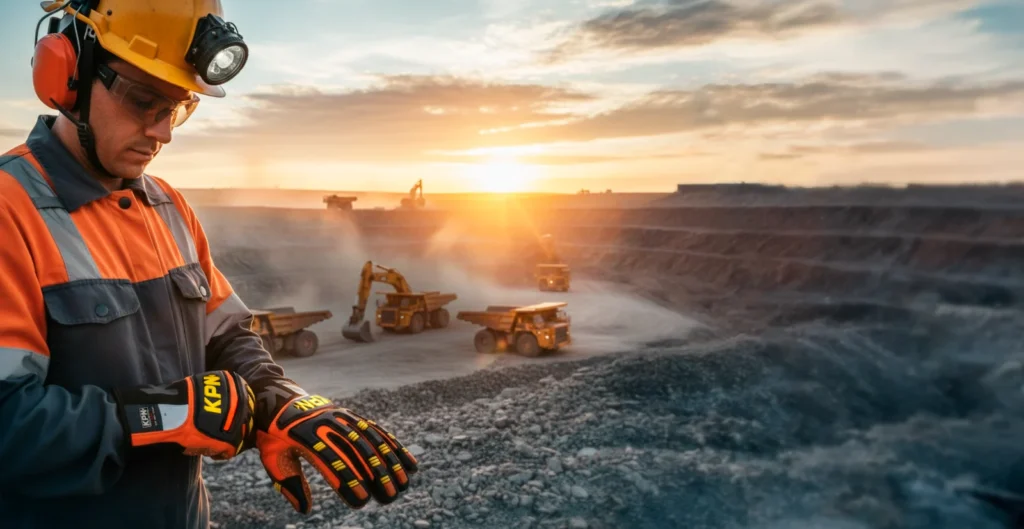
Cuts are the most common hand injury in heavy industry. In mining, for example, a NIOSH analysis of MSHA data found that cuts, lacerations and punctures made up 53% of hand and finger injuries. The main sources were pipe, wire, guarding and hand tools.
Consider cut level A9 gloves when your hazard assessment shows tasks like these:
- handling wire rope, cable and steel cable ends;
- maintenance on crushers, conveyors and screens with worn, sharp parts;
- cutting, grinding or handling sheet metal and metal scrap;
- pipe handling and rigging in mining and oil and gas operations.
For lighter tasks, such as general material handling without exposed edges, an A4 or A5 glove may be enough. The key is to match the rating to the task, as OSHA 1910.138 requires.
What cut level A9 does not cover
A high cut rating protects against blades and sharp edges. However, it does not guarantee protection against puncture from needles, wire ends or splinters, which ANSI/ISEA 105 rates in a separate test. Likewise, cut resistance says nothing about impact. If your crews also face crushing blows, look for an ANSI/ISEA 138 impact rating on the same glove.
Does A9 mean less dexterity?
Older high-cut gloves were thick and stiff, and workers often took them off. Today, blends of high-performance polyethylene (HPPE), steel fiber and synthetic yarns reach A9 in thinner, more flexible shells. Still, try gloves on the job before you standardize. A glove that stays on the hand protects more than a higher-rated glove left in a pocket.
Price is the other common objection. Instead of comparing unit prices, compare cost per day of use. A glove that lasts longer and prevents a single lost-time cut can easily cost less over a year than a cheaper pair that wears through in a week.
Looking for top cut protection plus impact protection? See the KPN CR5 on Amazon.
KPN CR5: cut level A9 with Impact Level 3
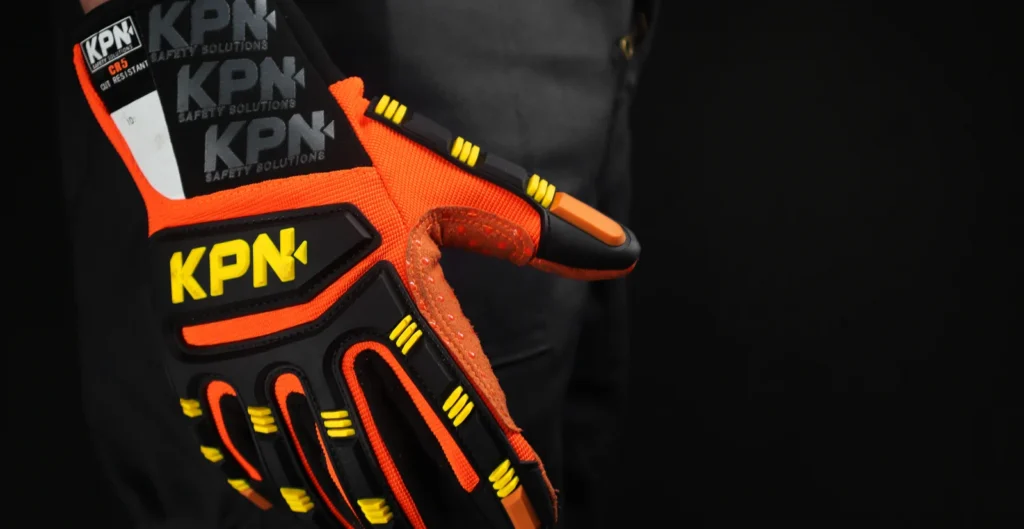
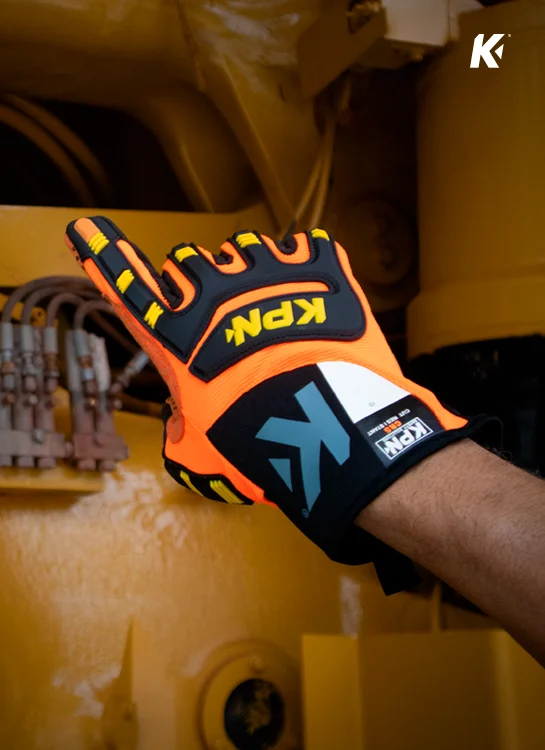
The KPN CR5 combines cut level A9 under ANSI/ISEA 105 with Impact Level 3 under ANSI/ISEA 138, the highest rating on both scales. For crews that face sharp edges and crushing hazards in the same task, that means one glove instead of two.
Choose the rating that fits the hazard
In short, A5 covers moderate cut risks, while cut level A9 is built for the most severe ones. Base the choice on your hazard assessment, test fit and dexterity in the field, and keep the rating information on file.
Shop the KPN CR5 on Amazon or explore the KPN FORCE glove line.